
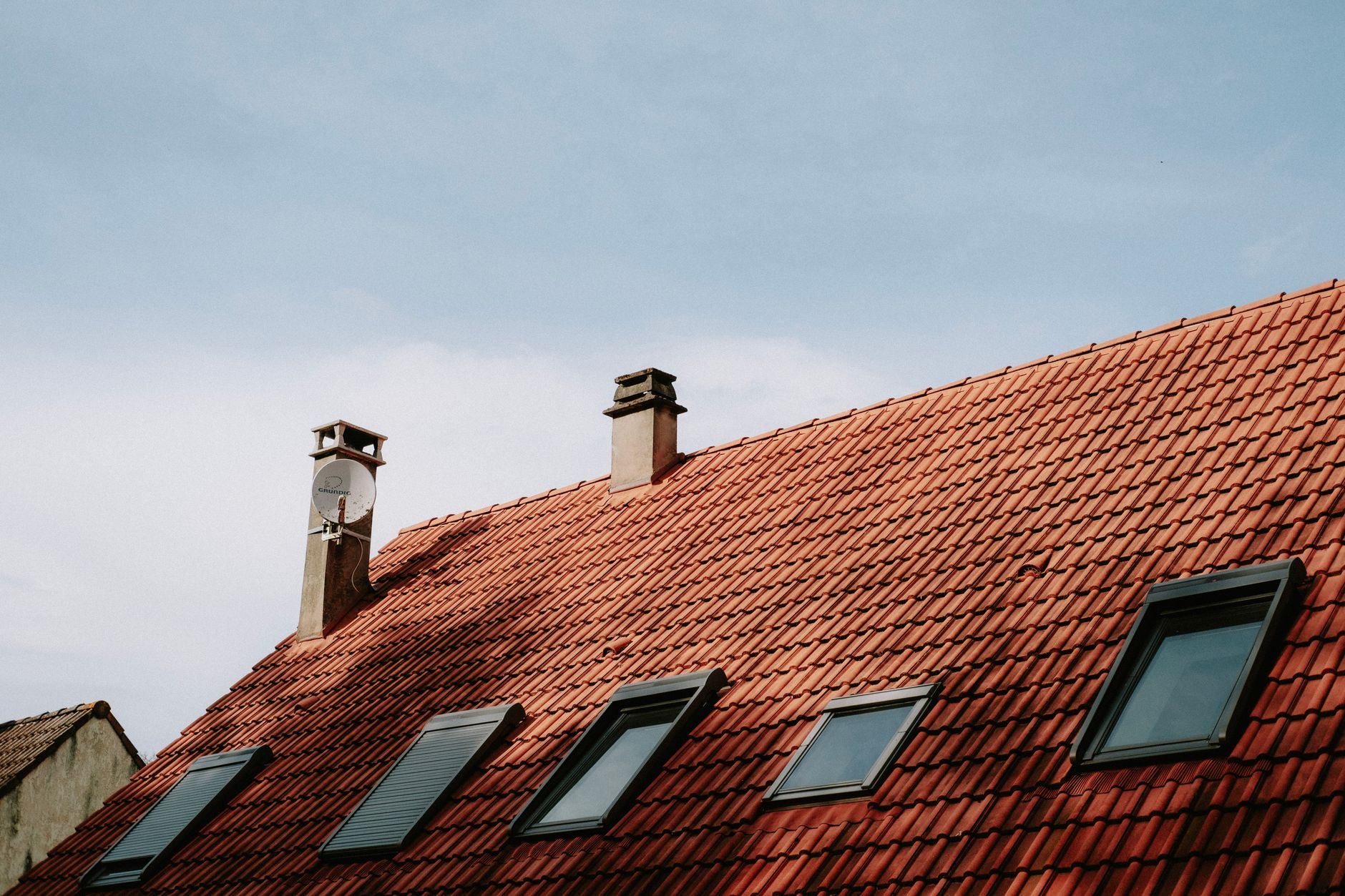
Torrance Wood Stove Repair From Firebox to Roof Collar
Where Is the Water Showing?
Name the street and the sign you have spotted indoors or on the roof. A Pewter crew member calls back to plan the visit.
What This Job Covers
Rust streaks down a stovepipe, or a puddle on the stove top after rain, mean water is getting in at the roof. We start there: the cap, the collar where the pipe meets the roof, and the flashing around it. Inside the stove we replace flattened door rope, a sagging baffle or cracked firebrick with the maker's parts, then measure the distance to walls and floor against the label.
When Rain Comes Down a Wood Stove Chimney
Rust on the top plate of a stove that has sat cold all summer is one of the clearest leak signs we see. A stove in Torrance usually vents through a metal pipe that runs up through the ceiling and out the roof, or through a liner inside an old masonry chimney. On a metal chimney, the weak spot is the roof crossing. There is a sheet metal boot that laps under the shingles above and over them below, and a cone-shaped collar clamped around the pipe just above it to shed water off the joint. When the collar's sealant dries out or the collar slips down, rain runs down the outside of the pipe into the attic, then follows the pipe inside and drips onto the stove. On a masonry chimney, the cause is usually a missing cap or a cracked crown. Either way, the stove takes the water, and the result is rust, stuck air controls and a damp, sour smell in the room.
We look at both ends on every visit. At the roof, we check the boot, the collar, the cap and its screen, and the height of the pipe above the roof. In the attic, we check the pipe's clearance from wood and look for water marks on the framing around it. At the stove, we follow the pipe joints down and check that each section is fitted the right way, with the upper piece inside the lower so condensation and creosote run back into the stove rather than out of the seam. Rust on the stove top can often be cleaned and treated with stove paint once the leak is closed. Rust that has eaten through a pipe section means the section is replaced. The notes list both ends, roof and stove, side by side.
Stove Parts That Wear and How We Fix Them
Inside the stove, the parts that need attention are the ones that seal and the ones that take the most heat. The rope seals around the door and the glass decide how much air the fire gets; once they go hard and flat, the stove pulls air past them and the fire burns hotter and shorter than you set it. We fit new rope in the right diameter and bed it in high-heat cement. Firebricks crack and are swapped for new ones of the same size. The baffle above the fire, steel or ceramic board on modern stoves, warps or crumbles with age and is replaced to keep smoke in the hot zone long enough to burn cleanly. Cracked glass gets a new heat-rated panel cut to fit. Door latches, hinges and air control slides are freed or replaced. Each repair is listed on a written quote with the part and the cost before we order anything.
When you book, tell us the stove brand and model if the plate is readable, how it vents, and what has changed: a door that will not seal, a fire you cannot slow down, a damp smell, rust or a drip near the pipe. If the stove is an older model that does not meet current smoke rules, we will say so before suggesting expensive work on it, since a replacement may serve you better. Stove owners in Torrance, Inglewood and the rest of the South Bay can reach us through the contact page. If water has been dripping near the pipe, describe where it lands and whether every rain brings it or only the wind-driven ones, since that points us to the collar, the boot or the cap before we climb up. A stove that has been rained on for a whole season may have a rusted ash pan or stuck air controls as well as a leak, and the quote covers both so the work is done in one trip.
The Pewter Way of Working
Source First
The leak or fault is traced before a price is set
Photo Record
Every finding carries a dated picture and a location
Price on Paper
Our listed price, or a written scope before work
Water Retest
Repairs get a second soaking before we leave
Towns where Pewter offers wood stove repair
Search for your town below. The South Bay towns come first, and their pages describe the local houses and the leaks we find in them.
CA
Wood Stove Repair in Torrance
Follow a ceiling stain upward in a postwar tract house and you reach one brick chimney. It has steel inside, yet it is decades old, and 82% of homes predate 1980, so we read that crown and flashing for the leak.
Open town pageCA
Wood Stove Repair in Manhattan Beach
When a Tree Section house has been enlarged, the old chimney can meet new roofing at a fresh seam. That strip of flashing is the first place we look after a damp smell turns up by the hearth.
Open town pageCA
Wood Stove Repair in Carson
Gas logs now sit in many of the brick or block fireboxes built here in the 1950s and 1960s. Gas changes the fire, not the rain: a damp patch by the firebox still leads back to the crown, the cap or an open mortar joint.
Open town pageCA
Wood Stove Repair in Inglewood
A 1920s boom and a post-World War II boom built most of this city; 32% of its homes predate 1950. On a Spanish style house, a stain at the chimney breast walks us up to where stucco meets brick.
Open town pageMore Chimney and Fireplace Work
Chimney Sweep
Flue brushed top to bottom and the soot vacuumed, with a note on any damp patch, stained tile or rusted damper we pass.
Open →Chimney Inspection
Level 1 or Level 2, with each finding traced to the part of the chimney it comes from.
Open →Chimney Repair
Crowns, joints, flashing and flue tile put right once we know which one is letting water in.
Open →Fireplace Inspection
Inside the room we look over the hearth, smoke chamber, damper and firebox, with any sign of rain coming down the flue written up.
Open →Fireplace Repair
Firebrick, back wall, smoke chamber and damper repaired with heat-rated materials once the water feeding the damage is stopped.
Open →Chimney Level 2 Inspection
Video scan of every flue plus attic and framing checks, for a sale, a quake, a chimney fire or a stubborn leak.
Open →Chimney Cap Installation
A stainless or copper cap fastened over the flue to keep rain, leaves and animals out, quoted after we measure.
Open →Chimney Flashing Repair
Roofline drips followed to their entry point and the metal relaid in the right overlap, with a cricket added behind a wide stack.
Open →Chimney Masonry Repair
Spalled brick, washed-out joints and cracked crowns repaired with a mortar soft enough to let the brick dry out.
Open →Chimney Rebuilds
Stacks too far gone to patch are taken down to solid courses and laid again with steel, flashing, a new crown and a cap.
Open →Fireplace Cleaning
Ash, soot and glass cleaned from the room side, with rust, damp brick or a musty smell noted for a closer look.
Open →Gas Fireplace Cleaning
Glass, ceramic logs, pilot and burner cleaned, and the vent outlet outside checked for rust, nests and rain getting in.
Open →Gas Fireplace Repair
Pilot, sensor, valve and igniter faults found with a meter, and rust damage from a leaking vent repaired at the source.
Open →Fireplace Remodel
New surround, mantel or hearth built within the code distances, with old water damage behind the facing fixed first.
Open →Fireplace Inserts
A gas or wood insert fitted into an existing opening, with a full-height liner and a cap that keeps rain off it.
Open →Pellet Stove Repair
Error codes read, motors and igniter metered, and the outside vent inspected for rain that swells pellets in the feed.
Open →Gas Logs
Vented log sets placed on a dry, clean flue, with the damper held open and the gas line run to code.
Open →Chimney Seismic Retrofit
Brick stacks tied back to the house frame or rebuilt lighter above the roof, starting with whether the brick can hold steel.
Open →Chimney Crown Repair
Cracked crowns sealed or recast with an overhang, so rain lands on the roof instead of soaking into the brick.
Open →Dryer Vent Cleaning
Lint cleared from the duct and the outside hood checked so its flap closes against rain and pests.
Open →Chimney Liner Installation
Cracked or missing flue tile replaced by a stainless liner sized to the appliance, capped so rain cannot run down it.
Open →Chimney Leak Repair
Ceiling stains and damp walls traced back to the crown, cap, flashing or joint, then fixed at that point.
Open →Chimney Waterproofing
A repellent that lets brick breathe, applied after cracks and joints are fixed, so the stack stops soaking up rain.
Open →Chimney Damper Repair
Rusted, warped or seized dampers freed, rebuilt or swapped for a top-mounted damper that also shuts out rain.
Open →Chimney Chase Cover
Rusted or sagging metal tops on framed chimneys replaced with a stainless cover that sheds water off its edges.
Open →