
Two parts, one rooftop, different repairs
When a chimney leaks from the very top, owners usually hear one of two diagnoses: you need a cap, or you need crown work. They sound interchangeable. They are not. One covers the hole in the middle, the other covers everything around it, and fixing the wrong one leaves the water coming in.
This comparison is for Torrance homeowners who want to understand which one their house needs, roughly what each costs, and why many older stacks end up needing both.
Where each one sits
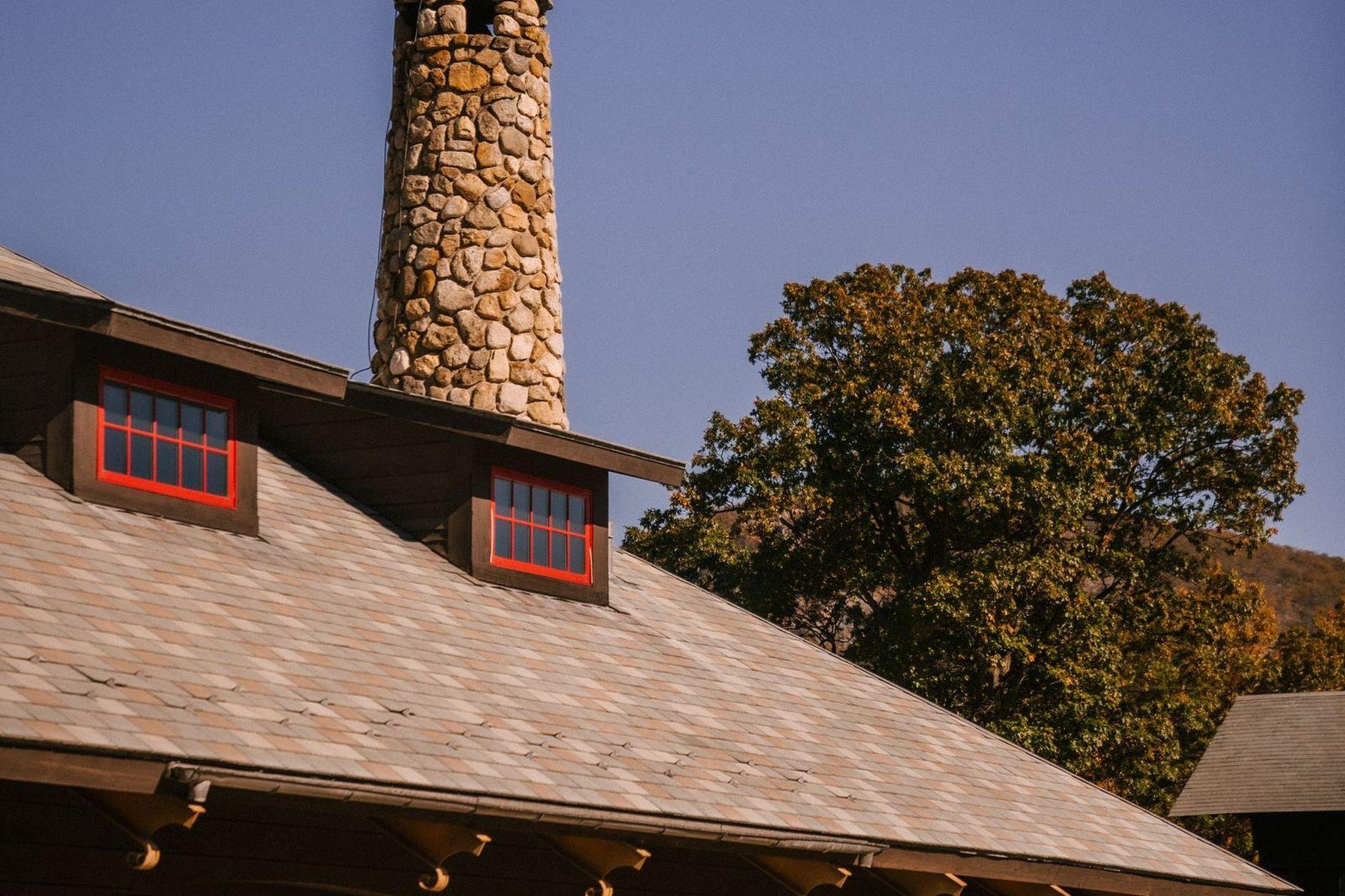
Picture the top of a brick chimney from above. In the centre is the flue, a clay tile or metal pipe that carries smoke out. Around it is a slab of concrete or mortar, the crown, which seals the top of the brickwork.
The cap is a metal hood fixed over the flue opening. It stops rain falling straight down the flue and keeps birds and leaves out.
The crown has a different job. It covers the brick so water cannot sink into the top of the walls, and it should slope and overhang so runoff lands clear of the brick face.
So the cap protects the inside of the flue. The crown protects the masonry. Water can beat either one.
Clues that point to the cap
- Water in the firebox or on the hearth during a storm, dry the rest of the time
- Rust on the damper plate or flakes of rust on the firebox floor
- A musty, wet-ash smell from the fireplace on humid days
- Leaves, twigs or nesting material falling onto the smoke shelf
- Looking up from the yard, you can see the bare top of the flue tile with nothing over it
These signs point to rain coming straight down the middle.
Clues that point to the crown
- Damp or darkened brick on the upper part of the stack, outside
- White powdery streaks on the brick face, which is salt carried out by water drying through it
- Brick faces flaking or popping off near the top
- A stain on the ceiling or upper wall beside the chimney rather than inside the firebox
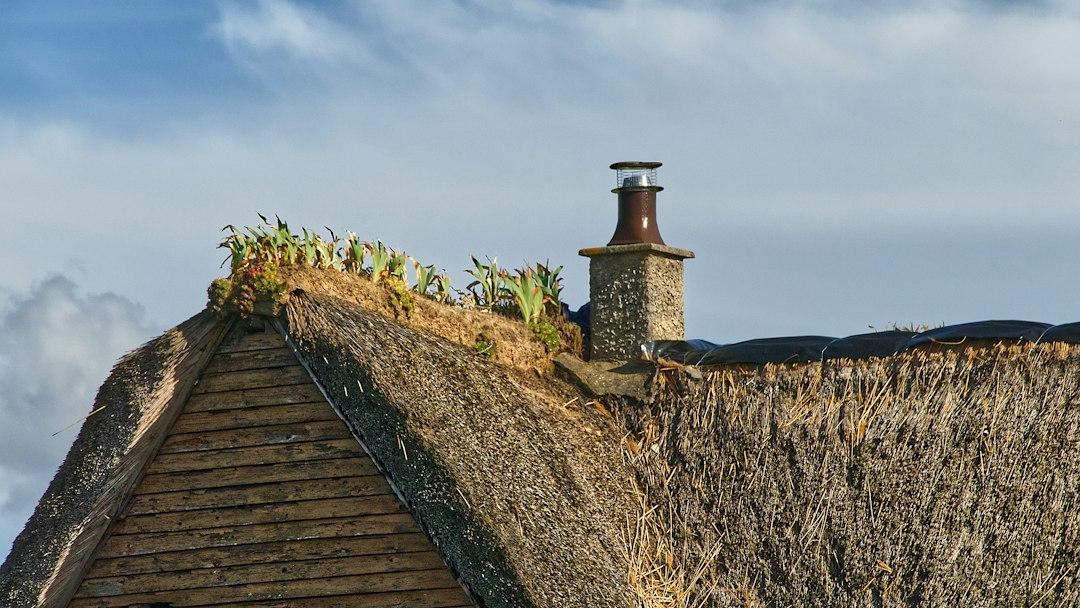
- Moss or small plants growing out of the top
These signs point to water soaking into the masonry from above.
Why older Torrance chimneys often need both
Many of the brick chimneys on post-war tracts across Torrance and Carson were finished with a thin mortar crown, troweled flat, with no overhang. Sun, salt air and decades of winter rain open cracks in that kind of crown. Many of the same chimneys were never capped. So the flue takes rain directly and the brick takes it through the crown.
Fixing only one gives partial relief. Put a cap on a cracked crown and the firebox stays dry, but the stain beside the chimney keeps growing. Rebuild the crown and leave the flue open, and the damper keeps rusting.
How the prices compare
Every cap is quoted on site. A small stock cap on a single round tile is the simplest job. A custom cover that spans several flues on a wide crown costs the most. Near the coast, in places like Manhattan Beach, we fit stainless steel or copper, because light galvanized caps rust out quickly in salt air.
Crown work has no list price. A crown can need its cracks sealed, a partial rebuild or a full replacement with a proper overhang, and the gap between those is too large for one figure to mean anything. We measure and photograph the crown, then send the price in writing.
If the stain has been there a while and the source is not clear, our leak tracing and repair range of $560 to $3,350 covers finding every opening, whether cap, crown, flashing or joints, and closing all of them.
To get a figure, tell us whether the water shows up inside the fireplace or on the wall beside it, and roughly how old the house is. A call follows to fix a time on the roof.
Which to do first
When both are needed, the crown goes first and the cap goes on top. Some caps fasten to the crown itself, so a new cap on a crown that is about to be replaced is wasted labour. If the crown is sound and only the cap is missing, the cap is a quick standalone job.
A note on factory-built chimneys
Not every chimney in the South Bay is brick. Many houses built or remodelled from the 1980s on have a metal flue inside a framed box clad to match the house. Those have a chase cover instead of a crown, and the cap is part of the maker's system. Leaks there follow different rules; our post on rusted chase covers covers them.
What the visit gives you
You get a short written finding that says which part is letting water in, with photos of the top of the chimney, the inside of the flue and any stain inside the house. Prices are listed for anything on our list, and everything else gets its own written figure.
Related pages
When you cannot tell which part is failing, that is our job. Use the contact page and we will get on the roof and find out.
Find the Leak at Your House
Pewter Chimney Contractors crews start from Torrance, follow the water from the room to the roof and write down the part that let it in before any repair is priced.