

A stain is where the trail ends
That brown ring on the ceiling beside your fireplace is the last stop on a long route. Water got in somewhere near the top of the chimney, ran along brick, framing or insulation, and only then soaked through to the drywall where you noticed it. The bill for stopping it depends on where the route begins, and on a typical Torrance house there are four usual starting points.
Our published range for tracing and stopping a chimney leak is $560 to $3,350. That spread looks wide on paper. This post explains what puts a house near the bottom or the top of it, so you have a rough idea before anyone sets up a ladder.
Four openings at the top of the house
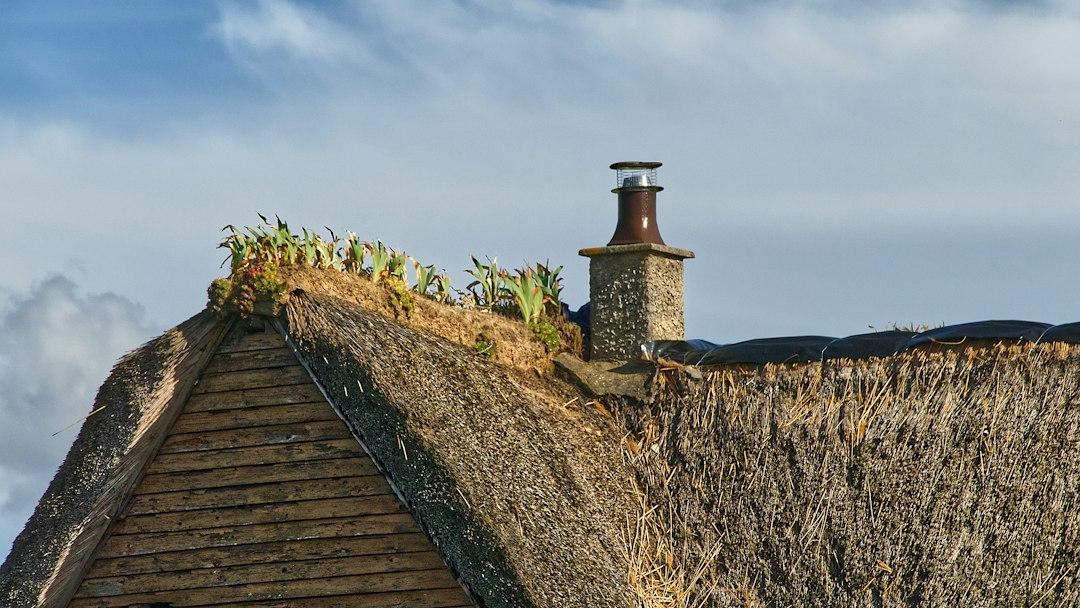
An open flue. A flue with nothing over it collects rain like a funnel. Water lands on the smoke shelf and the damper, rusts both, and often drips into the firebox during a storm. When that is the only problem, the answer is a cap. Ours are quoted after we measure, and the price depends on how big the flue is, how many flues share the top and whether a stock size fits or one has to be made.
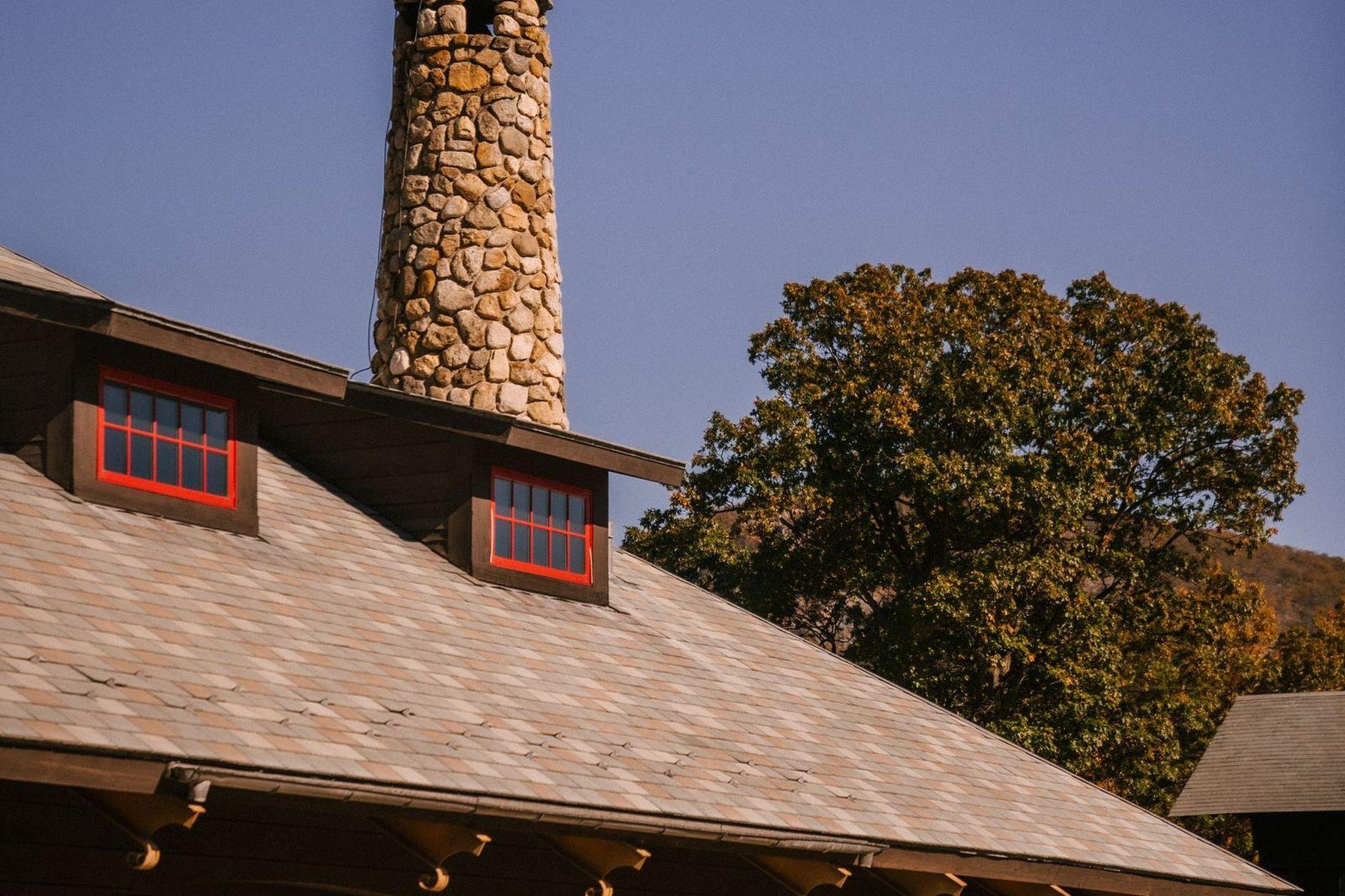
A cracked crown. The slab of concrete or mortar across the top of the brick is meant to push water outward. Plenty of South Bay houses from the 1950s and 1960s got a flat, thin one, and decades of sun and salt air have opened cracks in it. Rain then sinks straight into the brick underneath. Crown work has no list price with us: a hairline crack and a crown in pieces are not the same job, so we measure it and send a figure in writing.
Tired flashing. Metal bridges the joint between the brick and the roofing. Sealant dries and shrinks, a Santa Ana gust lifts a loose corner, or a reroof leaves old metal in place under new shingles. Flashing is the opening we trace most often. Wide chimneys also need a cricket, a small peak on the uphill side that splits the runoff. On our list a cricket alone is $445 to $1,005, and a cricket built together with new flashing is $670 to $1,650.
Thirsty brick and mortar. Sandy joints and brick with its face flaking off soak up water. That damp travels inside the masonry and can surface well below the obvious stain, sometimes on a different wall.
Why one house pays $560 and another $3,350
The low end is a single clear source. A lifted flashing corner gets refastened and sealed, and the inside dries on its own. The high end is a stack where three or four openings all feed the same stain, which is common on chimneys nobody has touched in decades. Every one of them has to be closed. Fix one, and the ring on the ceiling comes back after the next storm.
Other things that push a job up the range:
- Roofing. Clay tile, common on Spanish-style houses around Torrance, has to be lifted and reset around the chimney. Composition shingle goes faster.
- Height and pitch. A tall stack on a steep roof takes more setup and more time on the roof.
- How long water has been getting in. Once it reaches framing, soft wood may need cutting out, and that is carpentry beyond chimney work.
- Attic access. We follow leaks from both ends. A sealed attic or a hatch buried in a closet slows the inside half down.
Tracing it before anyone names a price
We start where you see the damage and climb from there. In the attic we look for darkened wood, stained insulation and the path the water took down the side of the chimney. On the roof we go over the cap, crown, flashing and joints, and photograph each opening. When two openings could both explain the same mark, we wet them separately with a hose so the repair goes where the water actually enters.
The written result lists each opening, its photo, the fix and our price where we publish one. To set that visit up, tell us which room the stain is in and what the roof is made of, and mention whether the mark grows after rain. We call back to agree a day for the roof and attic.
What the chimney repair leaves for others
Our job is to stop water at the chimney. Drywall, paint and any rotted framing inside belong to a painter or carpenter. We will tell you when the inside has dried enough to repaint, because paint over a wet stain only hides it until winter.
Timing in the South Bay
Most of Torrance's rain falls in a handful of winter months. A leak found in August gets fixed in dry weather with no buckets on the floor. A leak found in January usually means a temporary patch in the rain and a proper repair later, which costs more in total.
Water also keeps working while you wait. It sits in the brick, salt air adds to it near the coast, and repeated wetting and drying breaks off the face of the brick. Closing the opening early keeps a leak inside the lower part of our range rather than turning it into rebuilding the top of the stack.
Before you call anyone
Have these ready, because they shorten the visit:
- Which room shows the damage and roughly where on the ceiling or wall
- Whether it appears with every rain or only with wind from one direction
- When the roof was last replaced
- Whether the fireplace burns wood, gas or nothing at all
Related pages
- Chimney leak repair and flashing repair
- Cap or crown: which one is letting water in
- Hiring for flashing work
- Our work in Torrance
A wet ring near the fireplace rarely fixes itself. Start from our contact page and we will follow the water back to where it gets in.
Find the Leak at Your House
Pewter Chimney Contractors crews start from Torrance, follow the water from the room to the roof and write down the part that let it in before any repair is priced.